Key takeaways
- Find the best bike for crushed gravel trails, with wide tires, disc brakes and stable geometry for loose stone, rail trails and packed gravel paths today.
Crushed gravel trails look inviting, and they are, until the surface starts to shift under your wheels. The best bike for crushed gravel trails is one that stays steady on loose stone, rolls smoothly over packed sections, and still feels comfortable after an hour or two in the saddle. The quick answer is a gravel bike or a wide-tire hybrid with tires at least 38 millimeters wide, disc brakes, a stable riding position, and enough gear range to climb gentle rises without grinding to a halt. A hardtail mountain bike also works well when the trail gets rougher, while a narrow-tire road bike does not belong here at all.

Crushed gravel, sometimes called crushed stone or crusher fines, is made of small angular rock fragments that lock together when packed, but loosen at the edges, on slopes, and after rain. That mix is what makes tire choice so important. Narrow, smooth tires sink, skate, and slide. Wider tires with a light tread spread your weight, grip the loose top layer, and smooth out the bumps. This guide explains what to look for, compares four real bikes you can find on Amazon, and helps you match a bike to the trails you actually ride.
Quick Picks
Our Short List of 3
All 4 Picks at a Glance
| Product | Specs | Action |
|---|---|---|
| Tommaso Sentiero |
| Check price on Amazon |
| Schwinn Sporterra RX |
| Check price on Amazon |
 Mongoose Elroy Adventure |
| Check price on Amazon |
 SAVADECK Carbon Gravel Bike |
| Check price on Amazon |
How to Choose
Tire Width and Tread
Tire width is the single most important choice for crushed gravel. Look for tires of 38 millimeters or wider, with 40 millimeters a comfortable sweet spot for most riders on crushed stone. Wider tires run at lower pressure, which increases the contact patch and helps the tire float over loose gravel instead of cutting through it. A light file tread or small knobs give grip on loose corners and climbs without slowing you down much on packed sections. Avoid slick road tires and anything narrower than 35 millimeters, because those tires wander, sink, and demand constant correction on loose stone. Check the frame clearance too, so you can fit wider tires later if you want more comfort or grip.
Frame Geometry and Comfort
Crushed gravel trails are rarely flat and smooth for long. A bike with a slightly longer wheelbase, a taller head tube, and a more upright riding position feels steadier and kinder to your back, neck, and hands than a low, stretched-out race position. Gravel bikes and adventure hybrids are designed with this in mind. They put you in a position where you can see the trail ahead, shift your weight easily, and stay relaxed when the surface changes. A carbon fork, where fitted, takes some of the buzz out of rough sections, while a steel fork adds durability and a calm ride feel. Comfort matters more than speed here, because a comfortable rider stays in control.
Brakes That Work in Dust and Rain
Disc brakes are the right choice for crushed gravel. They stop reliably when the rims and pads are coated in stone dust, and they keep working in wet weather when rim brakes lose grip. Mechanical disc brakes are simple, easy to adjust, and found on most entry-level gravel bikes. Hydraulic disc brakes offer stronger stopping with less hand effort and smoother modulation, which helps on long descents. Either type is a big step up from rim brakes on loose surfaces. Make sure you can reach the brake levers comfortably from both the hoods and the drops if you ride a drop-bar bike, and check that the rotors run true before your first trail ride.
Gearing for Gentle Climbs and Headwinds
Crushed gravel trails, rail trails, and canal paths often include long gentle climbs, soft sections that sap speed, and stretches of headwind. A wide gear range lets you spin up a rise instead of mashing the pedals, and gives you a tall enough gear for the flat packed sections. A 2x drivetrain with 14 to 24 speeds covers most riders well, while a modern 1x drivetrain with a wide-range cassette is simpler and works nicely too. Low gears matter more than high gears on gravel, so look for a small chainring or a large rear cog that lets you climb seated at a comfortable cadence. If you plan to carry bags, low gears matter even more.
Frame Material and Durability
Aluminum is the most common frame material for gravel bikes at this level, and it is a sensible choice. It is light enough to carry over a gate or up steps, stiff enough to feel responsive, and resistant to rust when the finish is looked after. Steel frames are heavier but offer a smooth ride and great durability, and they are easy for a bike shop to repair. Carbon fiber is the lightest option and damps vibration well, but it needs more care if the bike is knocked or dropped on rocks. Whichever material you choose, look for rack and fender mounts if you want to carry luggage or ride in wet weather, and a frame warranty that gives you confidence in the build.
Fit and Sizing
Fit decides whether a bike feels good or fights you. A bike that is too large stretches you out and makes the front wheel feel vague on loose gravel. A bike that is too small feels cramped and twitchy. Use the manufacturer’s height chart as a starting point, then check standover clearance and reach. Many gravel bikes sold online come in a limited range of sizes, so check which sizes are actually listed before you order. If you fall between sizes, the smaller size is often the better choice for trail riding, because it is easier to handle. A professional bike fit or a careful session with a bike shop is worth it if you plan to ride regularly.
Weight, Mounts, and Practical Details
Weight matters on gravel, but not as much as tires, brakes, and fit. A lighter bike climbs more easily and is simpler to lift onto a car rack, while a heavier bike can still be a fine choice if it is stable, durable, and well equipped. Mounts for racks, fenders, and extra bottle cages turn a gravel bike into a commuter, a tourer, or a bikepacking rig. A sturdy set of wheels with enough spokes, quick-release or thru-axle fittings you understand, and a saddle that suits your shape all add up to a better ride. Remember that most bikes sold online need assembly and a safety check, so budget time for that, or book a bike shop to do it.
The Best best bike for crushed gravel trails Reviewed
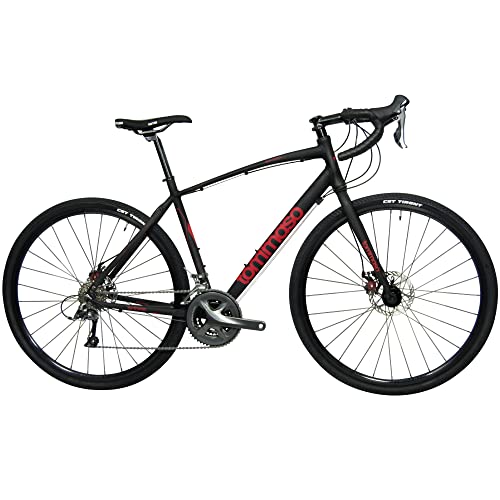
Tommaso Sentiero
The Tommaso Sentiero is a sensible first gravel bike for crushed stone trails. Its aluminum frame, Shimano Claris 24-speed drivetrain, and 700x40c tires give you a proper drop-bar gravel setup with enough grip for loose sections and enough range for climbs. The steel fork adds durability, and the disc brakes give reliable stopping in dust and damp conditions. The riding position is sporty without being extreme, so it suits riders moving from a hybrid or a road bike onto gravel for the first time.
On crushed gravel, the 40-millimeter tires are the highlight. They float over loose stone, hold a line through corners, and smooth out the chatter that makes narrow tires feel nervous. The Claris groupset is a well-known, serviceable Shimano setup that any bike shop can adjust, and the wide gear range covers rail-trail climbs and flat cruising alike. Rack and fender mounts add versatility for commuting and light touring.
One limitation to note: Amazon currently lists this bike in the Small 53cm frame size only, so check the size chart carefully before ordering. If that size does not suit your height, this pick is not the right one for you. Assembly and a professional safety check are also important, as with any bike delivered in a box.
Schwinn Sporterra RX
The Schwinn Sporterra RX is a well-established gravel bike for mixed terrain, and its 700x38c multi-terrain tires are well matched to crushed gravel. The aluminum frame keeps the bike light and easy to handle, the 14-speed drivetrain covers the gear range most trail riders need, and mechanical disc brakes give dependable stopping when the trail is dusty or damp. It is designed as a bike for men and women, and it suits riders around 5 feet 6 inches to 6 feet tall.
On the trail, the Sporterra feels confident and upright for a drop-bar bike, which helps on loose descents and through soft patches. The 38-millimeter tires strike a good balance between rolling speed on packed gravel and grip on loose stone, and the rigid fork keeps steering precise. A limited lifetime warranty on the frame adds reassurance for regular riders.
Availability note: a cached copy of the Amazon listing showed no featured offers at the time of that crawl, while a more recent listing roundup indicated the bike was in stock. Check the listing and your size before ordering, and confirm the seller and delivery details on the product page.
Mongoose Elroy Adventure
The Mongoose Elroy Adventure is built for riders who want to carry gear onto crushed gravel trails and keep going. Its 54cm alloy frame, steel fork, and 700x40c tires give a stable, planted feel, and the long list of mounts supports racks, bags, and fenders. The Shimano Tourney 14-speed drivetrain is simple and easy to maintain, and mechanical disc brakes handle dusty descents. A front rack and an integrated frame bag come with the bike, which is unusual at this level and genuinely useful for day rides.
On loose stone, the Elroy’s weight and long wheelbase work in its favor. It tracks straight, resists being knocked off line by ruts, and carries a load without feeling nervous. The upright adventure geometry suits riders who prefer comfort and control over speed. It is a strong choice for bikepacking, touring, and long rail-trail days.
The trade-offs are weight and sizing. At around 30 pounds and above, it is heavier than the other bikes here, and it is listed in a single 54cm frame size, so it suits taller riders best. If you are shorter, or you want a light and lively bike, look at the other picks first.
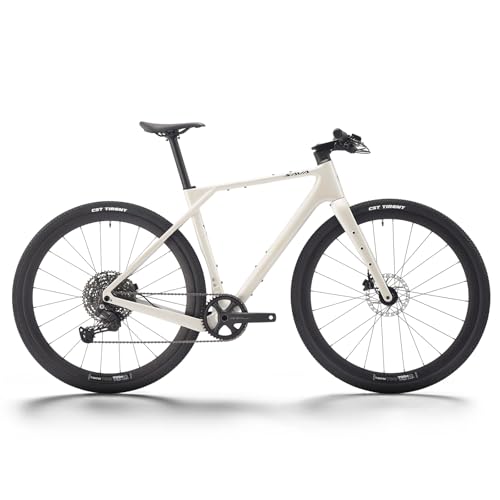
SAVADECK Carbon Gravel Bike
The SAVADECK Carbon Gravel Bike is the lightweight, performance-oriented pick in this guide. Its T800 carbon frame and fork, Shimano U6000 11-speed groupset, and hydraulic disc brakes put it a step above the entry-level bikes for riders who want speed and refinement on gravel. The 700x40mm all-terrain tires give the grip crushed gravel demands, and the carbon frame damps vibration on longer rides.
On the trail, the difference is most obvious on climbs and on rough, washboard sections, where the light frame and hydraulic brakes make the bike feel composed and easy to control. The 11-speed drivetrain shifts cleanly and offers a wide enough range for most gravel gradients. Multiple frame sizes are listed, which makes fitting easier than with the single-size picks above.
This is a partial fit in one sense: it is a performance carbon bike, so it needs more care than an aluminum workhorse, and assembly is more involved. It is best for riders who already know their size and are comfortable with a higher-spec bike, rather than for a first bike buyer who wants the simplest possible setup.
What to Check Before You Buy
Before you order any bike for crushed gravel trails, work through a short checklist. First, confirm your frame size against the manufacturer’s height chart, and check which sizes are actually listed on Amazon, because several gravel bikes are sold in only one or two sizes. Second, confirm the tire width and clearance, aiming for 38 millimeters or wider, with room to go wider later. Third, check the brake type and make sure you are happy with mechanical or hydraulic discs. Fourth, read the assembly requirements and plan for a professional safety check, including brakes, gears, wheels, and headset. Fifth, check the returns policy and the warranty, especially for the frame. Finally, think about accessories you will need from day one, such as a helmet, a pump, a multi-tool, a spare tube, and a way to carry water. A bike that fits, stops well, and rolls on wide tires will serve you far better than a lighter bike in the wrong size.
FAQ
Is a gravel bike better than a hybrid for crushed gravel trails?
For most riders, yes. A gravel bike has drop bars for multiple hand positions, wider tire clearance, and geometry tuned for loose surfaces, while still rolling efficiently on packed sections. A hybrid with wide tires and disc brakes is a good alternative, especially if you prefer flat bars and a very upright position, but a gravel bike is usually more capable as trails get rougher.
What tire width is best for crushed gravel?
Tires of 38 to 45 millimeters wide suit crushed gravel well for most riders. The 40-millimeter tires fitted to three of the bikes in this guide are a good middle ground, offering grip on loose stone without feeling slow on packed trail. Heavier riders, loaded touring, and softer trails all favor the wider end of that range.
Can I ride a road bike on crushed gravel trails?
A road bike with narrow tires is not a good choice for crushed gravel. Narrow tires sink into loose stone, slide in corners, and transmit every bump to your hands. If a road bike is your only bike, fit the widest tires the frame allows and ride slowly, but a gravel bike or a wide-tire hybrid will be far safer and more enjoyable.
Do I need suspension for crushed gravel?
Most riders do not need suspension on crushed gravel. Wide tires at sensible pressure, a comfortable frame, and a carbon or steel fork absorb most of the vibration. A hardtail mountain bike with a suspension fork is worth considering if your trails include ruts, roots, and larger rocks, but it is heavier and slower on smooth sections than a gravel bike.
How should I set tire pressure for crushed gravel?
Run lower pressure than you would on pavement, within the range printed on the tire sidewall. Lower pressure increases grip and comfort on loose stone, while too little pressure risks pinch flats and squirming in corners. Start in the middle of the recommended range, then adjust in small steps until the bike feels planted without feeling sluggish.
Bottom Line
The best bike for crushed gravel trails is a gravel bike with wide tires, disc brakes, and a stable, comfortable fit. The Tommaso Sentiero is the most sensible first pick, the Schwinn Sporterra RX is a proven all-rounder, the Mongoose Elroy Adventure suits loaded touring and bikepacking, and the SAVADECK Carbon Gravel Bike is the light, performance-led choice. Whichever you choose, prioritize tire width, brakes, and fit over weight or top speed, check the size that is actually listed, and get a professional safety check before your first trail ride. Get those basics right and crushed gravel becomes what it should be: a fast, quiet, and deeply enjoyable surface to ride.
Disclosure: As an Amazon Associate, we may earn from qualifying purchases.