Key takeaways
- Compare the only two Amazon listings that state PID temperature control: VEVOR 20L and 6L lab incubators with an RT+5 to 65 C range for culture work.
Buying a small laboratory incubator looks simple until you read the listings closely. Many compact units promise constant or precise temperatures without ever naming the control method behind the claim, so the real decision is whether the temperature control is genuinely PID, whether the chamber swallows your plates and flasks, and whether a range that floats above room temperature suits the work you plan to run.
The two models below serve microbiology benches culturing bacteria, growers germinating seed, and small research or teaching labs that need steady warmth in a compact footprint. Both were chosen from the names and specifications on their Amazon pages, and both come from VEVOR for one plain reason: their listings are the ones that actually state PID temperature control rather than leaving the method vague. That shared honesty makes the choice between them a practical one about capacity, footprint, and published stability, instead of guesswork about what the controller inside the box is really doing.
Quick Picks
As an Amazon Associate we earn from qualifying purchases
| Product | Best for | Key spec from title |
|---|---|---|
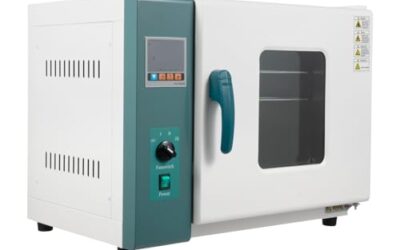
| VEVOR Lab Incubator 20L | Larger culture and germination loads | 20L chamber with PID temperature control |
| VEVOR Lab Incubator 6L | Single benches and small batches | 6L chamber with PID temperature control |
How to Choose
Check That the Listing Actually Names PID Control
PID stands for proportional, integral, derivative, a control method that adjusts heater output continuously instead of simply switching the element fully on and fully off. That smoother correction is what limits overshoot past your set point and the slow drift that follows it. The catch is wording: plenty of small incubators advertise constant temperature or precise control without naming any method at all, and those phrases alone do not confirm PID. Before buying, find the control method stated in the product name or specification list. Both picks here carry PID temperature control in the listing title itself, which is exactly the confirmation to look for.
Match Chamber Volume to Your Vessels, Not the Other Way Round
Capacity figures describe total internal volume, and that number shrinks fast once shelves, tall flasks, and stacked trays enter the picture. A 6L chamber handles a modest stack of Petri dishes or a few small containers, while a 20L chamber gives culture vessels and germination trays room to sit without touching the walls or each other. Measure your tallest vessel first, then compare it against chamber volume with space left over for air to circulate. Buying the smaller unit because it fits the bench, then cramming it full, undermines the temperature uniformity you paid for.
Understand What an RT+5 Floor Means
Both listings here quote a range of RT+5 to 65 degrees Celsius, and that RT matters more than the top figure. The lower limit floats with your room: in a space sitting at 22 degrees, the chamber floor is roughly 27 degrees, and it climbs if the room warms up. These are heating units, so neither listing offers cooling below ambient conditions. If your protocol needs a fixed low temperature regardless of the weather, or genuine refrigeration, this style of incubator is the wrong tool. If your work lives comfortably between warm-room and 65 degrees, the range covers it well.
Read the Stated Stability Figure Before You Commit
A controller can only hold a chamber as steady as its stated tolerance, so look for a stability figure in the listing rather than assuming one. The 6L model here states stability within plus or minus 2 degrees Celsius, which suits germination, routine culture, and teaching work where a couple of degrees either way changes little. Protocols that are sensitive to narrow swings deserve a harder look at that number, because no setting on the panel can tighten a tolerance the hardware was built with. Treat the published figure as the honest ceiling of performance and match it to your protocol.
The 2 Best Options
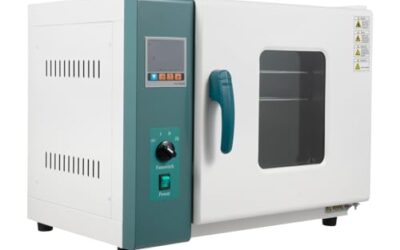
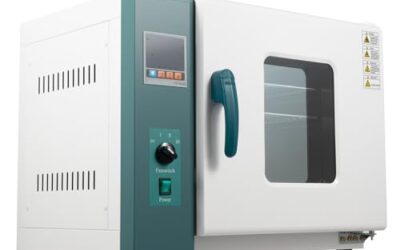
VEVOR Lab Incubator 20L

The 20L is the roomier of the two listings and the natural pick when a bench handles more than a handful of vessels at once. Its title names bacterial culture, seed germination, and medical science as the intended work, and the chamber gives stacked plates, culture flasks, and germination trays space to sit with air moving around them instead of being wedged wall to wall. The digital control and stated PID method suit labs that run the same warm set point day after day and want the controller, not the room, deciding how steady that temperature stays.
Specs
- Capacity: 20L chamber
- Temperature range: RT+5 to 65 degrees Celsius
- PID temperature control, stated in the listing title
- Digital scientific incubator design
- Stated uses: bacterial culture, seed germination, medical science
- Model: AF001
- Manufacturer: VEVOR
Best for: Teaching labs, germination benches, and small research setups running several vessels at once.
Watch out for: The range begins above room temperature, so there is no cooling on offer, and the 20L figure is total volume, so tall flasks still need a height check.
ASIN: B088FK7XDS
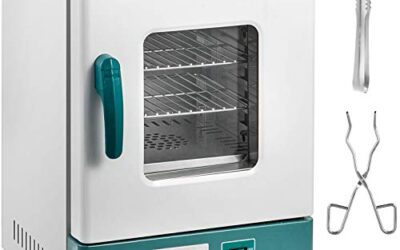
VEVOR Lab Incubator 6L
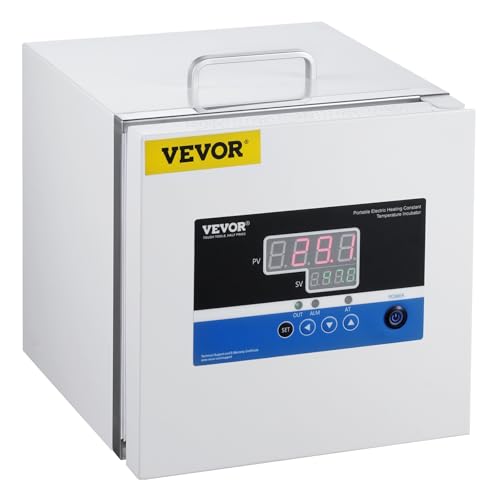
The 6L takes the same control approach and shrinks it for a single bench or a single pair of hands. Its listing names lab cell culture, seed germination, and medical science, and it states intelligent PID temperature control with stability within plus or minus 2 degrees Celsius, a figure the larger listing does not publish. For a teaching station running one stack of plates, a grower sowing a single tray of seed, or a technician keeping a small culture warm beside other instruments, the compact chamber covers the load without donating half the bench to empty air.
Specs
- Capacity: 6L chamber
- Temperature range: RT+5 to 65 degrees Celsius
- Intelligent PID temperature control, stated in the listing
- Temperature stability: within plus or minus 2 degrees Celsius, per the listing
- Stated uses: lab cell culture, seed germination, medical science
- Model: 303-00A
- Manufacturer: VEVOR
Best for: Single-user benches, small culture batches, and germination work where space is tight.
Watch out for: Six litres fills quickly once vessels gain height, and the stated stability of plus or minus 2 degrees is a loose fit for protocols sensitive to narrow swings.
ASIN: B0DMF56GNC
Which One Fits Your Situation
A Teaching Bench Running Class Sets of Plates
Classwork arrives in batches: a dozen plates at once, all needing the same warm hold for the same period. The 20L chamber absorbs that load without stacking dishes against the walls, and its stated bacterial culture purpose lines up with the work. Pick the 20L here, because running two small loads back to back costs more teaching time than the larger chamber costs bench space.
One Grower Sowing Seed Trays at Home or in a Small Greenhouse
Germination work is patient work, and a single tray or two does not need a cavernous chamber. The 6L holds small trays and containers in a footprint that sits beside potting supplies, and its published stability figure is honest about what seed work actually requires. Choose the 6L unless your sowing schedule regularly fills several trays at once, in which case the 20L earns its size.
A Small Research Lab Culturing Flasks and Bottles
Flasks and media bottles bring height, and height is what small chambers run out of first. The 20L gives taller vessels clearance under the top of the chamber while keeping the same RT+5 to 65 degree range and PID control as its smaller sibling. Go with the 20L, and measure your tallest flask against the chamber before ordering, because total volume alone never tells the whole story.
A Crowded Workstation That Only Needs a Gentle, Steady Warmth
When an incubator shares a bench with a microscope, a centrifuge, and everything else a working station accumulates, footprint decides the purchase. The 6L slips into the gap and still brings stated PID control rather than a vague promise of constancy. Pick the 6L for the compact hold, and accept its capacity ceiling as the trade for the space you keep.
Common Mistakes
- Buying on total litres alone, then discovering your tallest flask or tray does not clear the chamber once shelves are fitted, which turns a paper capacity into an unusable one.
- Assuming PID control also means cooling, when a range that begins at RT+5 describes heating only and the chamber can never sit below the temperature of the room around it.
- Forgetting that the lower limit floats with ambient conditions, so a set point that works in a cool morning laboratory may drift upward on a warm afternoon without the controller doing anything wrong at all, which is why logging the room temperature beside your set point during the first runs is worth the small effort.
- Packing vessels tightly against the walls and each other, which blocks the air movement the controller depends on and leaves some samples warmer than others in the same run.
- Expecting steadiness tighter than the published tolerance, since a listing that states stability within plus or minus 2 degrees has told you its limit plainly and no menu setting will improve on it.
Frequently Asked Questions
What does PID control actually do inside an incubator?
A PID controller watches the gap between the measured temperature and your set point, then trims heater output in proportion to that gap while correcting for past drift and the speed of change. The result is gentler correction than a simple on-off thermostat, with less overshoot above the set point and less sag below it during long, steady holds.
Can either of these incubators cool samples below room temperature?
No. Both listings quote a range beginning at RT+5, which means the chamber floor sits about five degrees above whatever the room is doing. Neither listing describes a refrigeration or cooling function. Work that must stay at a fixed cool temperature, or below ambient on a warm day, needs a refrigerated incubator built for that job instead.
Is a 6L chamber big enough for Petri dish work?
For a modest stack of standard dishes, yes: six litres swallows a teaching set or a small research batch without forcing plates against the walls. The limit arrives with quantity and height rather than dish diameter. If your routine runs many stacks at once, or mixes dishes with tall bottles, the 20L chamber is the safer fit.
Why do both listings quote the same RT+5 to 65 degree range?
Because the two units share the same heating design family, differing mainly in chamber size rather than in their temperature span. The shared range tells you the choice between them is about capacity and footprint, not about one reaching temperatures the other cannot. Pick by the volume your vessels need, then confirm the stated stability suits your protocol.