Our Short List of 3
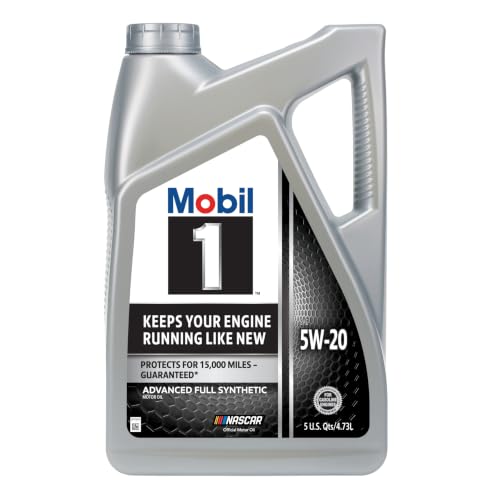
- Best for: 2011–2020 F-150 5.0 owners who want the standard full synthetic choice in the correct grade, in the jug size the job actually uses.

- Best for: high-mileage 2011–2020 trucks whose owners follow the oil-life monitor and want the strongest 5W-20 formulation in the Mobil 1 line.

- Best for: 2021 and newer F-150 5.0 owners who need the current 5W-30 specification in a proven full synthetic.
All 4 Picks at a Glance
| Product | Specs | Action |
|---|---|---|
| Mobil 1 Advanced Full Synthetic 5W-20, 5 Quart |
| Check price on Amazon |
| Mobil 1 Extended Performance 5W-20, 5 Quart |
| Check price on Amazon |
| Pennzoil Platinum Full Synthetic 5W-30, 5 Quart |
| Check price on Amazon |
 Valvoline Advanced Full Synthetic 5W-30, 5 Quart |
| Check price on Amazon |
Key takeaways
- Find the best oil for the F-150 5.0 V8 by model year: full synthetic 5W-20 for 2011-2020 trucks and 5W-30 for 2021 and newer, with the Ford specs to match.
The 5.0-liter Coyote V8 has powered the F-150 since 2011, but Ford has not asked it to run the same oil for that whole run. Trucks from 2011 through 2020 are specified for full synthetic 5W-20 meeting Ford specification WSS-M2C945-A or the later WSS-M2C960-A1. From the 2021 model year, Ford moved the 5.0 to 5W-30 meeting WSS-M2C961-A1. Buying the best oil for an F-150 5.0 therefore starts with your model year, not with a brand logo.
This guide is organized around that split. The first two picks are 5W-20 full synthetics for the 2011–2020 trucks; the second two are 5W-30 full synthetics for 2021 and newer trucks. All four are mainstream full synthetic motor oils sold in 5-quart jugs on Amazon US, which suits an engine that takes more than one jug per change once the filter and top-off are accounted for. Confirm your truck’s exact fill quantity and the specification printed in your owner’s manual before ordering.
Quick Picks
- Best 5W-20 for 2011–2020 trucks: Mobil 1 Advanced Full Synthetic 5W-20 — the long-running benchmark full synthetic in the grade Ford specified for the first decade of the Coyote.
- Best 5W-20 for longer drain intervals: Mobil 1 Extended Performance 5W-20 — formulated for extended service intervals where the truck’s oil-life monitor and manual allow them.
- Best 5W-30 for 2021 and newer trucks: Pennzoil Platinum Full Synthetic 5W-30 — a gas-to-liquid based full synthetic in the grade the current trucks require.
- Best 5W-30 alternative: Valvoline Advanced Full Synthetic 5W-30 — a widely stocked full synthetic with strong wear-protection positioning for truck use.
Mobil 1 Advanced Full Synthetic 5W-20, 5 Quart
- Best for: 2011–2020 F-150 5.0 owners who want the standard full synthetic choice in the correct grade, in the jug size the job actually uses.
2011–2020 F-150 5.0 owners who want the standard full synthetic choice in the correct grade, in the jug size the job actually uses.
See Mobil 1 Advanced Full Synthetic 5W-20 on Amazon
For 2011–2020 F-150s with the 5.0, this is the default recommendation. Mobil 1 Advanced Full Synthetic in 5W-20 (model 120763) is a full synthetic formulated for the long factory drain intervals Ford builds into these trucks, with the low-temperature flow a 5W grade provides on cold starts and the deposit control a hard-working V8 needs between changes. The 5-quart jug format fits how these trucks are serviced: one jug covers most of the sump, and a second jug or a single-quart bottle covers the remainder and leaves top-off oil on the shelf.
Check the listing’s specification list against your manual. The oil your truck needs must carry the Ford WSS-M2C945-A or WSS-M2C960-A1 approval for this generation, alongside the current API and ILSAC categories. Mobil 1’s 5W-20 has tracked those Ford approvals through its production run, which is why it appears in so many F-150 service bays. Drivers who tow, idle for long periods or run short trips that never fully warm the oil should follow the severe-service schedule in the manual rather than stretching intervals, whatever oil is in the sump.
Mobil 1 Extended Performance 5W-20, 5 Quart
- Best for: high-mileage 2011–2020 trucks whose owners follow the oil-life monitor and want the strongest 5W-20 formulation in the Mobil 1 line.
high-mileage 2011–2020 trucks whose owners follow the oil-life monitor and want the strongest 5W-20 formulation in the Mobil 1 line.
See Mobil 1 Extended Performance 5W-20 on Amazon
Extended Performance (model 120765) is Mobil 1’s step-up 5W-20, formulated with a stronger additive system aimed at longer drain intervals and protection against low-speed pre-ignition and sludge over extended service. For an F-150 5.0 that racks up highway miles and follows the truck’s oil-life monitoring system, it is the natural upgrade from the standard Mobil 1 fill while staying in exactly the grade and approval family the 2011–2020 trucks specify.
Two cautions keep this pick honest. First, an extended-performance oil does not extend the interval beyond what Ford allows: the oil-life monitor and the manual’s maximum interval still govern, and severe service still shortens the schedule. Second, it remains a 5W-20 for the earlier trucks. Owners of 2021 and newer 5.0 trucks should not buy it for their Coyote; their specification is the 5W-30 grade covered below.
Pennzoil Platinum Full Synthetic 5W-30, 5 Quart
- Best for: 2021 and newer F-150 5.0 owners who need the current 5W-30 specification in a proven full synthetic.
2021 and newer F-150 5.0 owners who need the current 5W-30 specification in a proven full synthetic.
See Pennzoil Platinum 5W-30 on Amazon
From 2021, the F-150’s 5.0 moved to 5W-30 meeting Ford WSS-M2C961-A1, and Pennzoil Platinum is the headline pick for those trucks. Platinum is a full synthetic made from natural gas using Pennzoil’s gas-to-liquid base oil process, which the brand positions around cleanliness and sludge protection. In 5W-30 it matches the current Coyote specification, and the 5-quart jug again suits the capacity of the engine.
The practical point for 2021-plus owners is to resist the habit of buying the 5W-20 the earlier trucks used. The later engines were calibrated and specified around 5W-30, and the owner’s manual for those model years is explicit about the grade. Match the jug to the manual: Pennzoil Platinum 5W-30 carrying the current API category and the Ford WSS-M2C961-A1 approval is the correct fill, and the same logic applies at every later change.
Valvoline Advanced Full Synthetic 5W-30, 5 Quart
- Best for: 2021 and newer trucks, and owners who value easy repeat availability of the same formulation change after change.
2021 and newer trucks, and owners who value easy repeat availability of the same formulation change after change.
See Valvoline Advanced Full Synthetic 5W-30 on Amazon
Valvoline Advanced Full Synthetic 5W-30 is the alternative current-spec pick. Valvoline builds this oil around wear protection and deposit control for engines that work hard, and its 5W-30 grade covers the 2021-plus Coyote’s WSS-M2C961-A1 requirement. It is stocked about as widely as any oil in this guide, which matters for owners who service the truck themselves and want the same oil available at the next change without hunting for it.
As with the Pennzoil above, the checks are the grade, the API category and the Ford approval on the back of the jug or the listing’s specification table. If your truck is a 2020 or earlier 5.0, this is not your oil despite the familiar brand: those trucks take the 5W-20 picks at the top of this guide.
Why the Model-Year Split Matters
Ford’s change from 5W-20 to 5W-30 for the 5.0 was a specification change, not a suggestion. The 2011–2020 engines were validated on 5W-20 under WSS-M2C945-A and later WSS-M2C960-A1; the 2021-plus engines are validated on 5W-30 under WSS-M2C961-A1. Running the later grade in an early truck, or the early grade in a later truck, puts the fill outside the manufacturer’s specification, which can matter for warranty questions and for systems such as variable cam timing that depend on oil behavior. The safe rule is simple: the manual for your exact model year decides the grade, and the jug must list the matching Ford specification.
How to Choose and Change With Confidence
Confirm the specification, not just the viscosity
Two oils can both say 5W-20 on the front and differ in approvals on the back. For these trucks the Ford WSS specification is the deciding line, supported by the current API service category. Read the listing’s full specification list before ordering, especially when a marketplace listing covers several grades in one page.
Buy enough for the whole job
The 5.0’s sump takes more than a single 5-quart jug once the filter is changed. Plan on a second jug or quart bottles for the remainder, and keep the leftover sealed for top-offs. Running a fresh fill a quart low because the jug ran out is a false economy on an engine known to use some oil between changes in hard service.
Pair the oil with the right filter and interval
Use the Motorcraft filter specified for your model year or a quality equivalent, reset the oil-life monitor after the change, and follow the manual’s normal or severe schedule based on how the truck actually works. Towing, dust, short trips and extended idling all count as severe service in Ford’s definitions.
Frequently Asked Questions
Can I use 5W-30 in my 2018 F-150 5.0?
Ford specified 5W-20 for the 2018 truck, under WSS-M2C945-A or WSS-M2C960-A1. Use the grade and specification your manual lists; the 5W-30 picks in this guide are for the 2021 and newer specification.
Is full synthetic required, or will a blend do?
Ford’s specification for the 5.0 centers on oils meeting the WSS approvals, and full synthetics are the straightforward way to meet them with margin for the factory drain intervals. All four picks here are full synthetic for that reason.
How often should the oil be changed?
Follow the truck’s oil-life monitoring system and the maximum interval in the owner’s manual, and use the severe-service schedule if the truck tows, idles extensively or runs short trips. No oil in this guide extends the interval beyond Ford’s limits.
Does the brand matter as much as the specification?
The specification matters most: grade, API category and the Ford WSS approval. The four oils here are established full synthetics that meet the relevant approvals, so the choice among them comes down to interval goals and availability rather than a wrong answer.
Living With the Coyote Between Changes
Two ownership habits matter as much as the brand in the sump. The first is checking the level. The 5.0 works hard in truck service, and some oil consumption between changes is a documented characteristic of the engine family, particularly in towing and high-load use. A dipstick check every few fuel stops — and always before a towing trip — catches a falling level while it is still a top-off rather than a warning light. Keep the leftover oil from the change for exactly this purpose, stored sealed and labelled with the grade and specification so the wrong jug never tops off the right engine.
The second habit is matching the interval to the work, not the calendar on the jug. Ford’s oil-life monitor accounts for temperature, load and trip length, and it is a better guide than a fixed mileage habit carried over from an older vehicle. When the monitor calls early because the truck has been towing through a hot season, believe it. Conversely, a lightly used truck that the monitor clears for a long interval is not being neglected; the full synthetic fills in this guide are formulated for exactly those factory intervals. What no owner should do is stretch past the monitor or the manual’s maximum on the strength of an oil’s marketing: the specification that protects the engine is Ford’s, and the four picks here are chosen because they meet it, not because they promise to outrun it.
The Bottom Line
Match the oil to the truck’s generation and the decision makes itself. For 2011–2020 F-150 5.0 trucks, Mobil 1 Advanced Full Synthetic 5W-20 is the standard fill and Extended Performance is the step-up. For 2021 and newer trucks, Pennzoil Platinum and Valvoline Advanced in 5W-30 meet the current specification. Verify the Ford approval on the listing, buy enough for the full sump, and the Coyote gets exactly the oil Ford engineered it to run.
Disclosure: As an Amazon Associate, this site may earn from qualifying purchases made through links in this article, at no additional cost to you.